Russian Kh-101 Missile Debris in Poland: Investigation Results
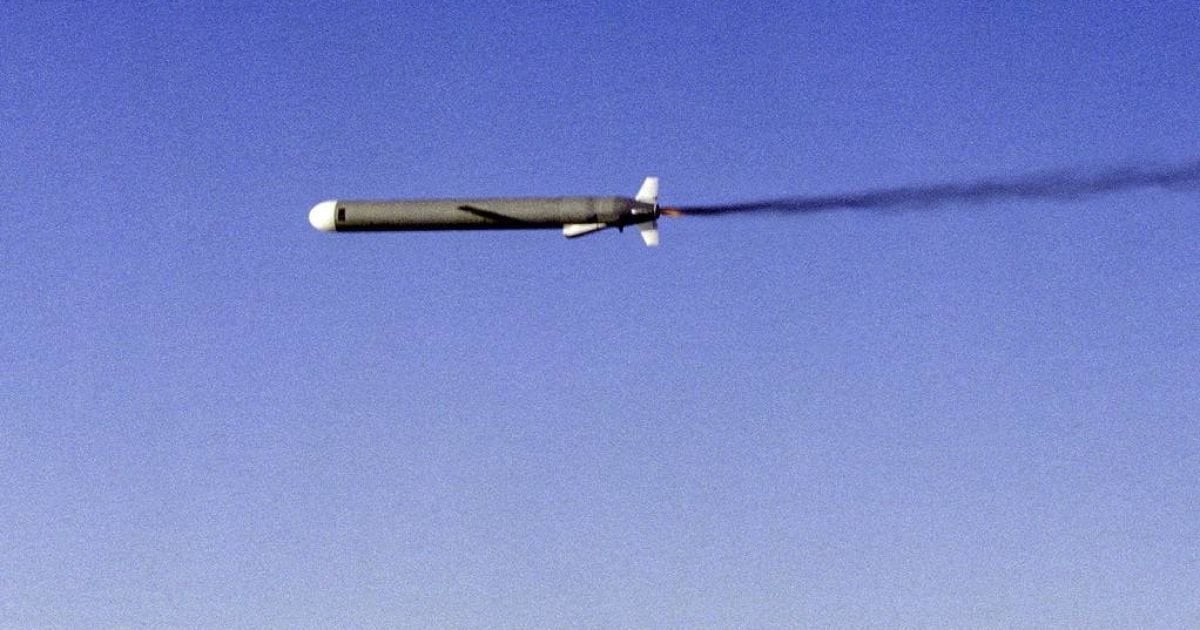
Polish investigators confirmed that the Kh-101 cruise missile that fell on their territory was manufactured in late 2024 and exploded mid-air.
 🚨Events
Photo: TSN
Key points
- The Kh-101 missile was manufactured in the fourth quarter of 2024.
- The object exploded in the air, with debris scattering over several hectares.
- Investigators identified the manufacturing plant using serial numbers from the parts.
Polish law enforcement agencies have released the initial results of the investigation into the incident on November 21, when debris from Russian aerial targets fell onto the country's territory. According to the District Prosecutor's Office in Lublin, one of the identified missiles—a Kh-101 cruise missile—was manufactured very recently, in the fourth quarter of the current year. This indicates the use of weaponry that has just come off the production lines.
Prosecutor Andrzej Boroń reported that the missile did not reach the ground intact but exploded directly in the air. As a result, fragments of the munition scattered over a significant area covering several hectares in the Lublin and Podkarpackie voivodeships. Investigative actions were conducted simultaneously in three settlements: Nowy Lipowiec, Rudnik-nad-Sanem, and Mołodycz.
Technical Details and Identification
Among the recovered debris, specialists highlighted key components that allow for a detailed study of the object. Specifically, an engine weighing several hundred kilograms and individual control system units were found. Thanks to preserved serial numbers on the parts, law enforcement managed to identify the specific manufacturing plant within the Russian Federation. Currently, all physical evidence has been transferred to the Military Gendarmerie laboratory in Mińsk Mazowiecki for final expert analysis.
The situation was complicated by the fact that during a massive attack on western regions of Ukraine, three objects violated Polish airspace simultaneously: two missiles and one jet drone. One of the explosions occurred near the town of Nowa Dęba, where international coalition military exercises were taking place at the time. This posed a direct threat not only to the civilian population but also to military personnel.
"We have seized elements that allow for preliminary conclusions, but an official expert opinion is mandatory," emphasized the prosecution spokesperson.
An interesting aspect of the incident was the role of NATO aviation. It is known that a Gripen fighter pilot had permission to engage the target but did not use weapons. The pilot explained this by the impossibility of clearly identifying the object under difficult conditions, highlighting the complexity of decision-making in such crisis situations. Currently, the inspection of the crash sites has been completed, and the Polish side continues a thorough analysis of the data obtained.
Source TSN — tsn.ua/svit/rosiyska-raketa-kh-101-u-polshchi-slidchi-rozkryly-podrobyt… ↗
Read next
 🏛️Politics
ISW analyzes humanitarian corridor proposals: why the Kremlin's initiative for Kostiantynivka is deemed unfeasible
Analysts from the Institute for the Study of War explain the difference between Ukraine's proposal for evacuations along the Dnipro and Russia's initiative for Kostiantyn…
 🛡️Security
Another attack on the oil refinery in Novoshakhtinsk
On the night of November 23, an oil refinery in Novoshakhtinsk, Russia, was targeted. The facility is a vital supplier of fuel for the Russian military.
 🏙️City
Fragments of latest Russian X-101 missiles found in Poland
Debris from Russian cruise missiles manufactured in late 2026 has been discovered in eastern Poland, prompting calls for strengthened NATO air defenses.
 🩺Health
Charity auction in Lviv region raises 60 million UAH for defenders
A charity event in the Lviv region raised over 60 million UAH to purchase drones and support the rehabilitation of wounded soldiers.
 🏛️Politics
Russian missiles and drones land in Poland: Warsaw and NATO respond
Polish officials have described the entry of Russian projectiles into Polish airspace during a night attack on Ukraine as a deliberate provocation.
 🚌Transport
Chernihiv region under enemy UAV attack: jet-powered drones detected
On the night of November 23, Russian forces launched another drone attack on Ukraine, with jet-powered UAVs tracked moving through the Chernihiv region.